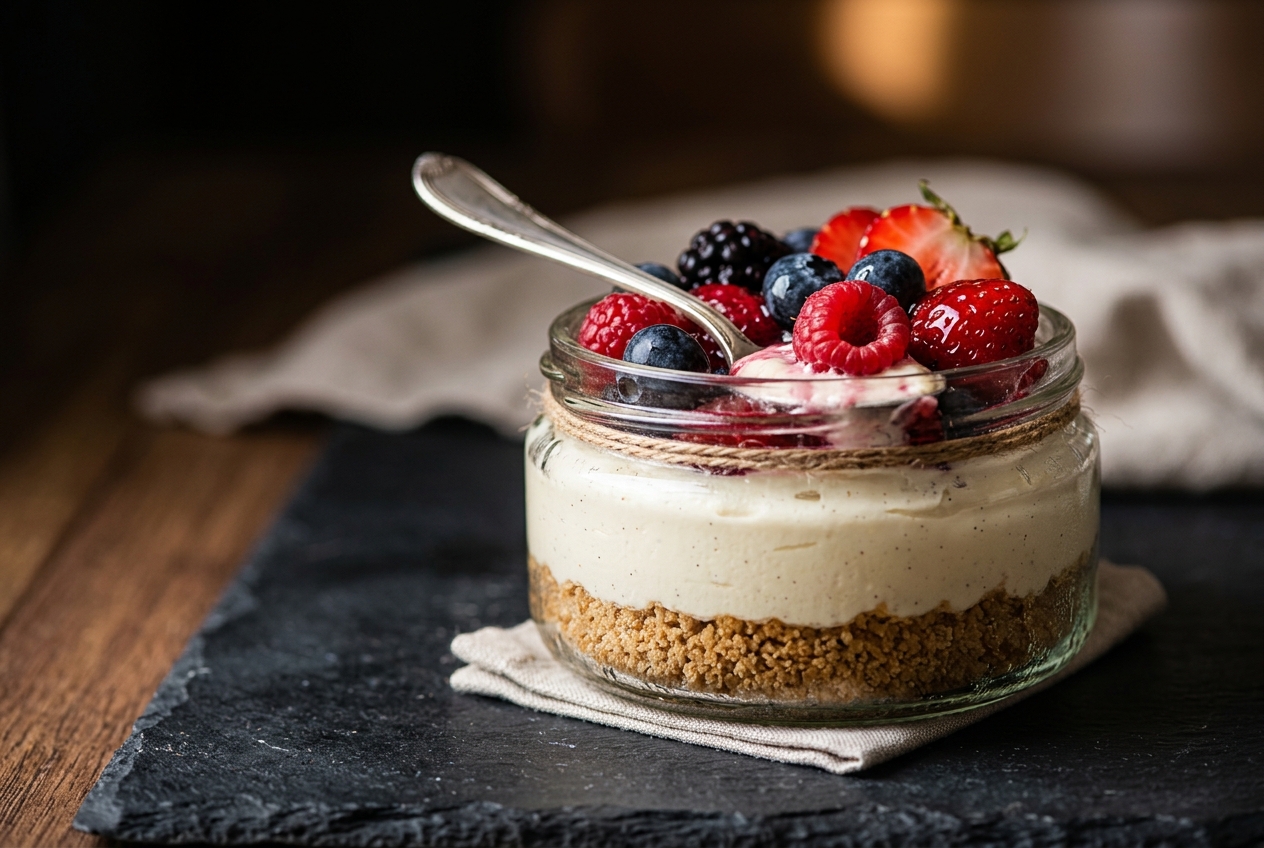
Twice-Baked Potatoes (Loaded, Make-Ahead)
Twice-baked potatoes are the side dish that acts like it's not working hard — and that's exactly why they own the holiday table. The whole idea is right there in the name: bake the potato once to cook it through, scoop out the tender flesh, whip it with butter, sour cream, and sharp cheddar, fold in crisp bacon and chives, then pile it all back into the shell and bake it a second time until the top bronzes. That second bake is where the magic happens, so don't skimp on it — it dries the filling just enough to hold its mounded shape, melts the cheese into a lacy, golden cap, and gives the shell that faint, toasty chew that plain baked potatoes never reach. The two things that separate a great twice-baked potato from a sad one are shell integrity and filling ratio. Leave a good ¼-inch rim of potato on the shell when you scoop so it can stand up to a generous mound of filling without collapsing, and don't be shy with the dairy — the filling should be looser than you think before that second bake, because the oven tightens it right up. Russets are non-negotiable here: their high starch and fluffy flesh mash into the lightest, creamiest filling, and their thick skins hold a shell beautifully. It's the natural partner to a holiday centerpiece like our Cajun Butter Turkey or Brown Sugar Glazed Ham, and it sits just as comfortably next to Classic Make-Ahead Herb Stuffing and Green Bean Casserole. And because they're make-ahead royalty, you can bake them off the day before, chill them, and just rewarm while the bird rests. If you want the same loaded flavor in spoonable form, our Loaded Baked Potato Soup is the cozy weeknight cousin.

Sides · Loaded, Bacon, Cheddar, Make-Ahead, Thanksgiving, Christmas • 1 hr 50 min
Nutrition (per serving)390Calories·26gFat·27gCarbs·12gProtein
Per serving. Values are approximate and calculated from USDA FoodData Central.
Ingredients
- For the potatoes:
- 4 large russet potatoes (about 3 pounds total), scrubbed
- 1 tablespoon olive oil or vegetable oil, for rubbing
- kosher salt, for sprinkling
- For the filling:
- 6 slices thick-cut bacon
- ½ cup (1 stick) unsalted butter, melted
- ½ cup sour cream
- ¼ cup whole milk, plus more as needed
- 6 ounces sharp cheddar cheese, freshly shredded (about 1½ cups), divided
- ¼ cup fresh chives, snipped, plus more for garnish
- 1 teaspoon kosher salt
- ½ teaspoon freshly ground black pepper
- ¼ teaspoon garlic powder
- 2 scallions, thinly sliced, for garnish (optional)
Get Our Free 5-Ingredient Summer Dinners PDF
10 effortless recipes with 5 ingredients or fewer — delivered to your inbox, plus one thoughtful recipe every week.
Steps
- Heat the oven to 400°F with a rack in the center. Prick each potato a few times with a fork, rub all over with the oil, and sprinkle lightly with salt. Bake the potatoes directly on the oven rack (a sheet on the rack below will catch any drips) until a paring knife slides in with zero resistance and the skins feel slightly crisp, 60 to 70 minutes. Let them cool just until you can handle them — about 10 minutes — but keep them warm; cold potatoes mash into a gluey, heavy filling.
- While the potatoes bake, cook the bacon in a skillet over medium heat, turning occasionally, until crisp, 6 to 8 minutes. Transfer to a paper towel-lined plate and let it drain, then crumble into small pieces. Reserve 2 tablespoons of the crumbles for the topping.
- Cut each potato in half lengthwise. Working over a large bowl, scoop the flesh into the bowl, leaving a ¼-inch-thick wall of potato all around each shell — don't scrape them thin, or the shells will collapse under the mounded filling. Set the shells cut-side up on a baking sheet.
- Mash the warm potato flesh with the melted butter, sour cream, milk, salt, pepper, and garlic powder until smooth and creamy but not gluey — a ricer or potato masher is your friend here; skip the food processor, which will turn the starch gummy. Fold in 1 cup of the cheddar, the crumbled bacon (except the reserved topping), and the chives. Taste and add a splash more milk if the filling feels stiff; it should be loose and spoonable, because the second bake will firm it up.
- Refill the shells, mounding the filling generously above the rim — you'll have more filling than the original hollow, and that proud mound is the whole point. Nestle the halves back onto the baking sheet so they sit snugly against one another and stand upright.
- Bake again: Top each potato with the remaining cheddar and the reserved bacon. Bake at 375°F until the filling is piping hot (at least 165°F in the center) and the cheese is melted and bronzed at the edges, 20 to 25 minutes.
- Finish and serve: Scatter with the extra chives and the sliced scallions, if using, and serve hot. For deeper color, run the tray under the broiler for 1 to 2 minutes at the very end — watch closely so the cheese browns rather than burns.
Tips & Variations
Make Ahead
This is the recipe's superpower. Assemble and fully bake the potatoes (through step 6), let them cool completely, then wrap the tray tightly and refrigerate for up to 2 days. To serve, let them sit at room temperature for 20 minutes, then rewarm uncovered at 350°F until the center reads 165°F, 20 to 25 minutes — if the tops look like they're drying before the centers are hot, tent the tray loosely with foil and splash a little milk over the filling. You can also stop after the first bake and assembly (through step 5): stuff the shells, arrange them on the tray, cover, and refrigerate for up to 1 day, then do the second bake straight from the fridge, adding 5 to 10 minutes.
Storage
Cool leftovers completely and refrigerate within 2 hours — the dairy- and bacon-loaded filling is perishable and shouldn't linger at room temperature. Store in an airtight container for up to 4 days. Reheat in a 350°F oven (or, for a single potato, the microwave) until the center reaches 165°F; add a splash of milk or cream to the filling before reheating if it looks dry. To freeze, wrap cooled potatoes individually in plastic wrap, then in a freezer bag, for up to 3 months; thaw overnight in the fridge and rewarm in a 350°F oven until hot through.
Substitutions
Sharp cheddar is the classic, but Gruyère, smoked Gouda, Monterey Jack, or pepper Jack all melt beautifully — a 50/50 cheddar-Gruyère blend is especially good. Swap the sour cream for full-fat Greek yogurt for a tangier, slightly lighter filling, or use half-and-half or heavy cream in place of the milk for extra richness. No bacon? Use an equal amount of crumbled turkey bacon, or go vegetarian and omit it entirely, folding in ½ teaspoon of smoked paprika and a handful of caramelized onions for that savory, smoky depth. Chives and scallions are interchangeable — use whichever you have. For a dairy-free version, use a good plant-based butter, unsweetened dairy-free milk, a plant-based sour cream, and a melty vegan cheddar, noting the filling will be a touch looser and less bronzed. Russets are the right potato here; Yukon Golds make a denser, less fluffy filling and their thinner skins tear more easily, so keep the rim a little thicker if you use them.
Nutrition
Per serving: 1 potato half
Reviews
Reviews coming soon! In the meantime, let us know what you think of this recipe.